25 December 2025


Flower Trends for 2026: What We’re Noticing After More Than a Decade of Sending Flowers in Sydney
When you’ve been sending flowers across Sydney for more than a decade, “trends” start to look a little different. You see what people come back for. You notice the messages on the tags. And you develo...
When you’ve been sending flowers across Sydney for more than a decade, “trends” start to look a little different.
You see what people come back for. You notice the messages on the tags. And you develop a feel for which shifts are fleeting, and the ones that stick around.
Looking back on 2025 and ahead to 2026, what stands out isn’t a dramatic shift in taste, but a series of small, practical changes in how people choose and send flowers. Seasonal flowers are being trusted more, curated options are outperforming endless choice, and flowers are being sent not just for milestones, but as part of everyday life.
Taken together, these shifts point to a more considered, grounded approach to flower gifting.
Emotional Utility Is One Way People Are Sending Flowers More Thoughtfully
Flowers have always marked big moments. Birthdays, anniversaries, congratulations – those haven’t gone anywhere. But over the past year, we’ve seen something else grow quietly alongside them.
Flowers are part of everyday life, not just for milestones.
More people are sending flowers to acknowledge small, private wins.
A week without vaping.
Not calling him.
Getting through a hard meeting.
Nailing a presentation.
Sometimes these flowers are sent by friends or partners. Increasingly, they’re sent by the person themselves – it’s been really interesting seeing people self-gifting flowers pre-emptively, to stay focused and motivated on a goal, or as a reward for achieving something important.
This isn’t about replacing celebration, it’s about flowers becoming emotionally useful. A way of marking progress, offering reassurance, or giving yourself something kind at the right moment – not waiting for a socially approved milestone.
We expect this to continue into 2026. As life feels fuller and faster again, flowers are being used as punctuation: small pauses of recognition in the middle of ordinary weeks.
Flowers sent to mark effort – sometimes by the person who earned them.
Decision Fatigue Is Real – Why Curated Choice Resonates
There’s a growing conversation – well beyond flowers – about decision fatigue and how it shapes the way people buy. From streaming services to supermarkets to wardrobes, people are increasingly looking for fewer, better choices.
Flowers aren’t immune to this.
Buying flowers is already an emotional decision. Add endless browsing, dozens of arrangements, and too many variables, and it quickly becomes work – not care.
Across broader retail – and increasingly in flower buying – what seems to resonate is confidence and ease:
– one thoughtfully designed mixed bouquet for the day
– a small, curated selection of seasonal flowers
– clear sizing, simple pricing, and a fast path to checkout
Rather than wanting to control every detail, many people appear happy to trust a considered choice – knowing that what they’re sending will be beautiful, appropriate, and well made, without having to overthink it.
Looking ahead to 2026, curated choice is likely to continue performing well. Not because people care less, but because they’re comfortable placing the decision in capable hands, especially when time is short.
The Flowers People Quietly Kept Choosing in 2025
Some flowers don’t explode into trend reports – they simply keep being chosen. Here are some customer favourites that we expect to retain popularity into 2026.
Peonies
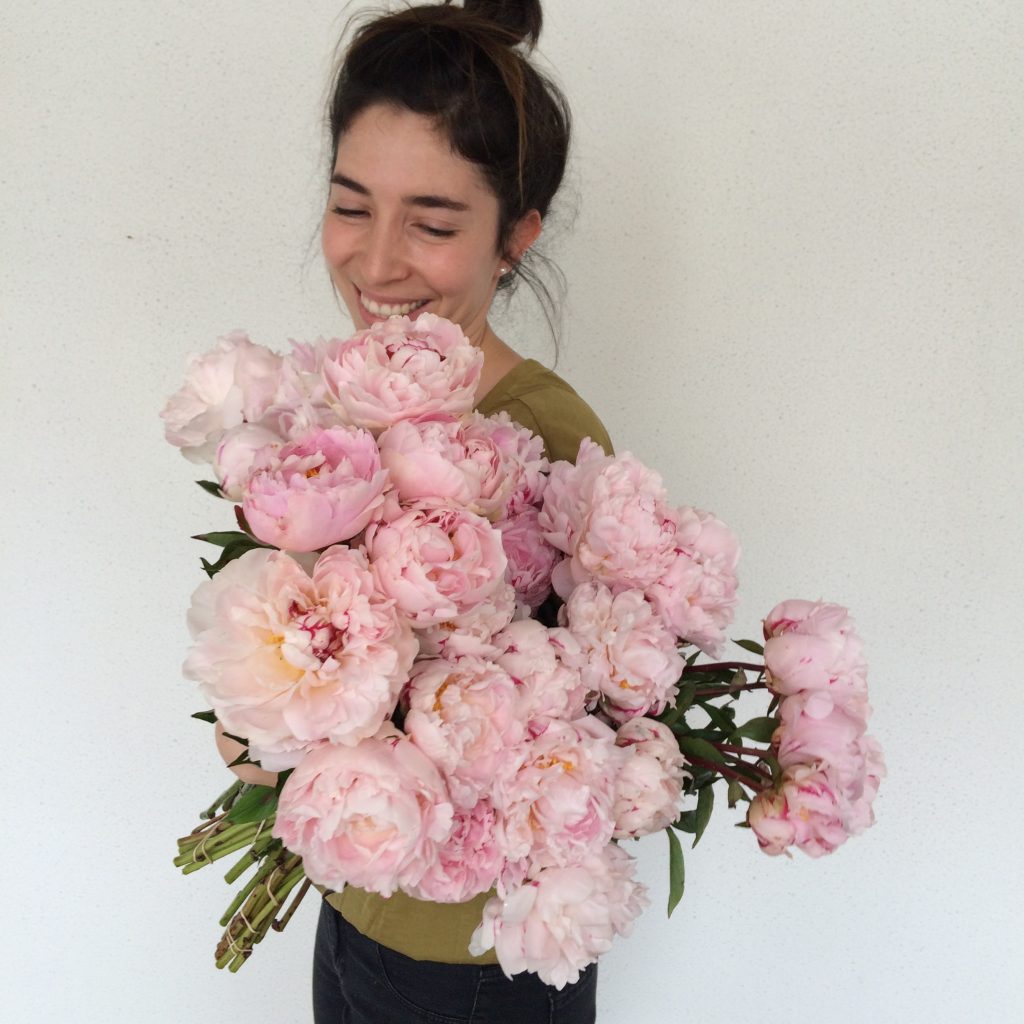
Peonies remain deeply loved, but with clearer preferences. Among the many varieties available, Sarah Bernhardt continues to dominate – the quintessential peony. Light pink, generously sized, and packed with layers, it’s the version people picture when they think of peonies at all. Increasingly, these are chosen for friendship, solidarity, and self-care – sent between women, or to oneself – rather than reserved only for romance or milestone occasions.
People return to Peonies, year after year.
Teddy Bear Sunflowers
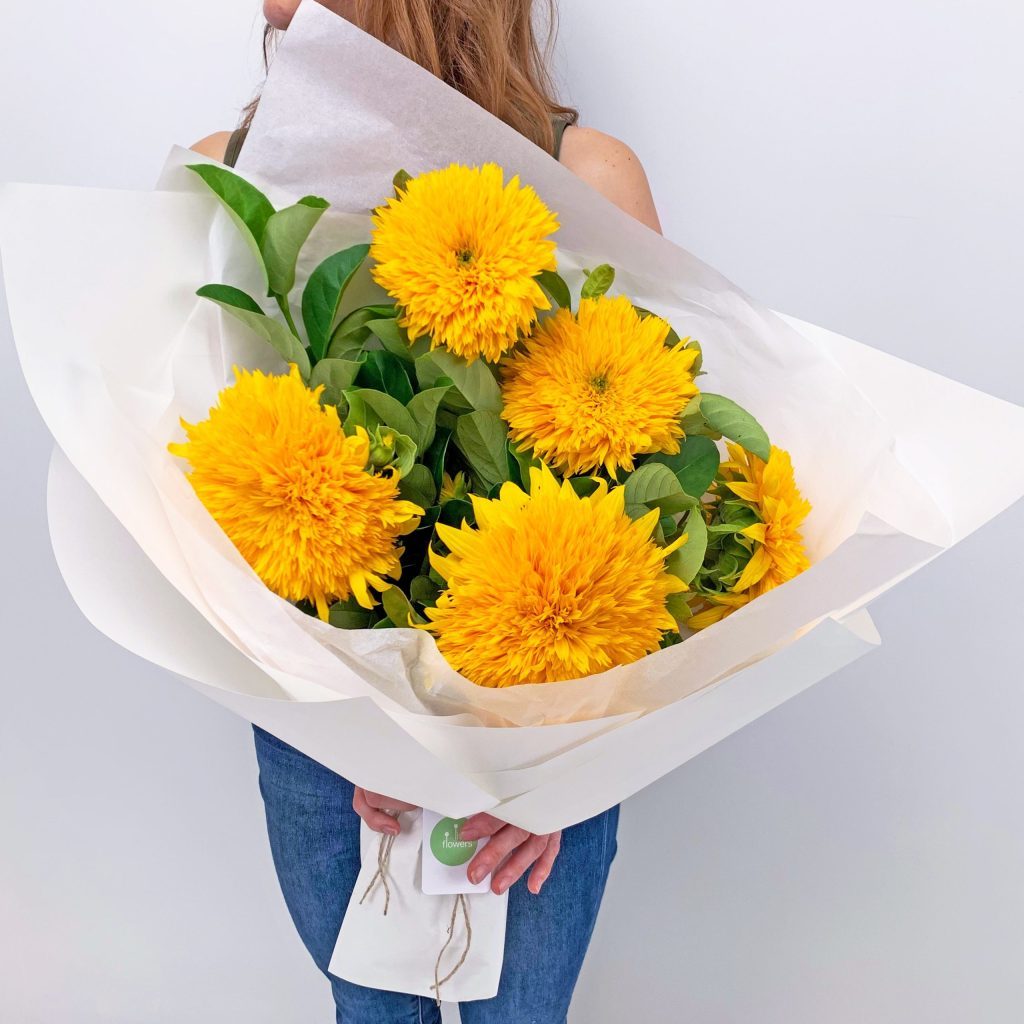
Teddy Bear sunflowers have earned their place as comfort flowers. Fluffy, tactile, and soft in form, they’re often sent to people navigating grey weeks, Sunday blues or simply in need of a big floral hug! Cheerful without being loud, they feel emotionally generous and the kind of flower that doesn’t need explanation.
Teddy Bear sunflowers bouquet Sydney
David Austin Roses
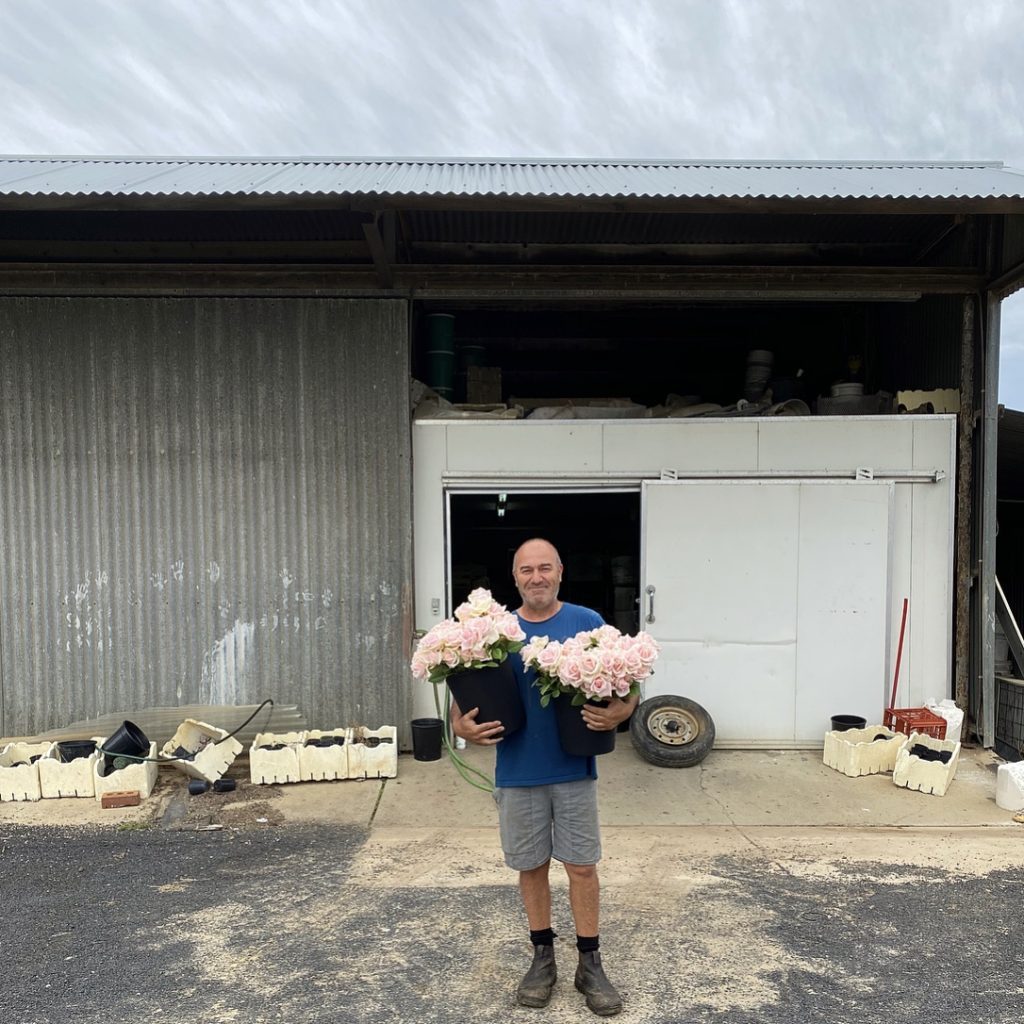
The shift away from classic red roses toward softer, garden-style varieties continues, and David Austin roses sit squarely in that space. Often scented and always intricate, they demand attention. They’re also the one flower we’re strict about timing – only dispatched on market days, never after – because their beauty is fleeting and lies in enjoying every stage while it lasts. Romantic without being showy, they suit a quieter, more considered kind of affection.
Hydrangea
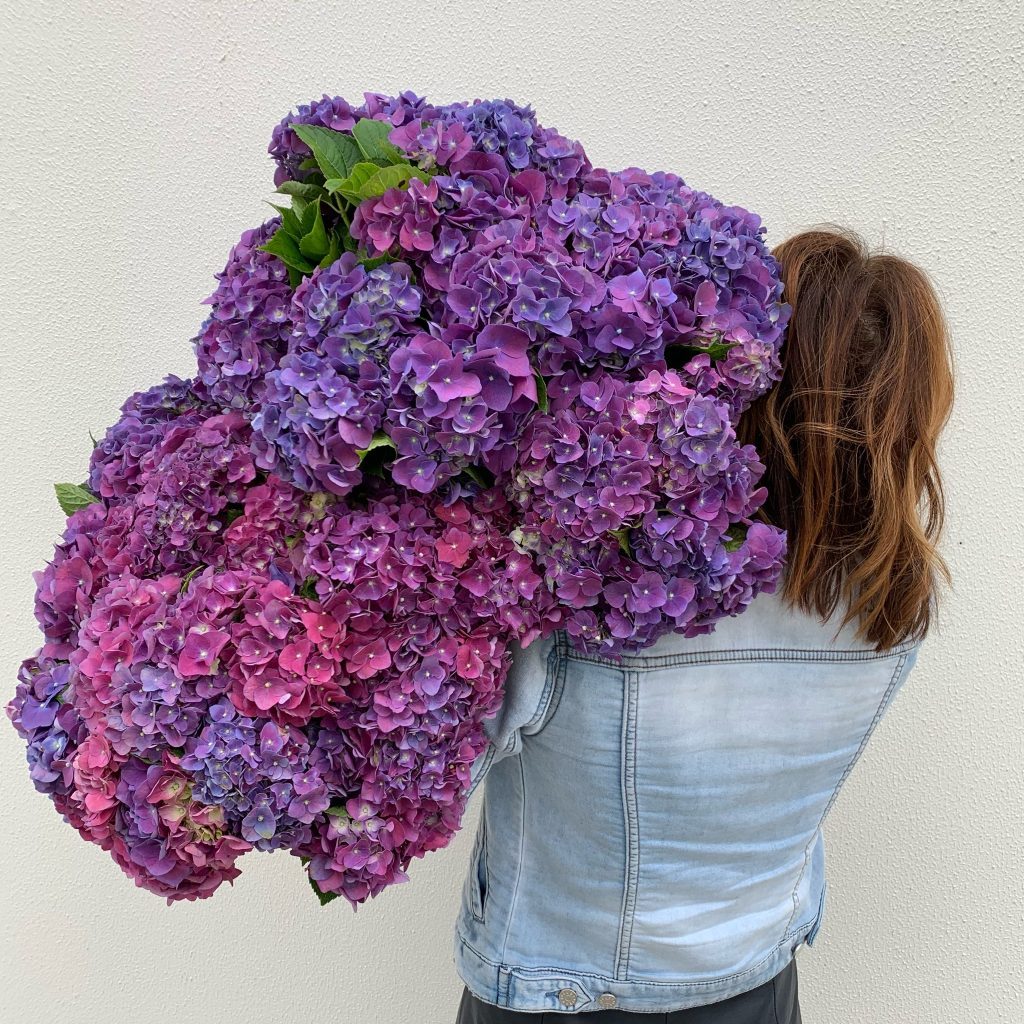
Hydrangea has been quietly resurgent, with customers favouring rich blues and purples and bright pinks. It has a nostalgic quality that feels familiar and reassuring. At the market, there’s been growing chatter about its renewed popularity, and we’ve seen that reflected in orders too. With its big heads and dense clusters, hydrangea changes the feel of a room quickly, offering a dramatic burst of colour without being over the top.
Familiar, nostalgic Hydrangea, quietly finding favour again.
Highly Seasonal Flowers
We’ve also seen growing appreciation for flowers that mark specific moments in the year. Varieties like Christmas Bush, Easter Daisy, Autumn Beauty sunflowers, and Blossom resonate because they’re tied to time and place. Their appeal is timing. They act almost like rituals, small floral markers that signal where you are in the year, and help people acknowledge its passing.
Preserved Flowers Have Quietly Lost Their Shine
A few years ago, preserved flowers surged in popularity. They offered longevity, convenience, and a sense of permanence that suited the moment.
Over the past year, interest has quietly softened.
Part of that shift seems to come from greater transparency. As more information circulates about how preserved flowers are made – including the industrial processes involved, the use of bleaching, dyes and stabilising solutions, and the difficulty of disposing of them responsibly – people are starting to ask different questions.
Longevity on its own is no longer the deciding factor. Increasingly, people want to understand what something is made of, where it comes from, and what happens to it after its life on the table ends.
As that picture becomes clearer, preserved flowers are losing some of their shine. Not because they don’t last, but because they don’t always align with the values people are prioritising now.
In contrast, fresh flowers – seasonal, imperfect, and temporary – feel more honest. They change, they age, and they return to the earth. And as awareness grows, that impermanence is becoming part of their appeal rather than a drawback.
Who Flowers Are Being Sent To – and When
Sending patterns have continued to broaden.
Sending flowers to men is no longer a novelty. Over the past year, it’s become part of everyday gifting behaviour – supported by a wider cultural shift. There’s more conversation now about men and flowers: men buying flowers for themselves, for friends, for teammates; men reflecting on how rarely they receive flowers at all, often joking that the first time is at a funeral. That conversation has landed. And in 2025, we’ve seen more men receiving flowers – not as a statement, but simply because it feels normal.
Sending flowers to men has quietly become normal.
Sending to self continues to grow too. These orders aren’t framed as indulgence so much as encouragement or care – a way of marking effort, momentum, or a tough week without waiting for permission or occasion.
When flowers are sent has shifted as well.
Fridays, which flattened after COVID disrupted office routines, are on the rise again as shared work rhythms return. Weekend delivery is increasingly woven into everyday life rather than treated as a special request. And Sundays are emerging as a meaningful moment in their own right – for thank-yous, gentle resets, and easing the Sunday blues.
Taken together, these changes point to a broader shift. Flowers are no longer tied only to dates on a calendar. They’re tied to how a week feels – and to the people we want to acknowledge along the way.
Flowers are being sent more broadly – and more often.
Provenance Matters – When People Know
One thing we’ve noticed is how little visibility there still is around where flowers come from. Around half of the flowers sold in Australia are imported, often travelling long distances from countries like Ecuador, Colombia, Kenya, China and Malaysia before they arrive here. For many customers, that’s not obvious – flowers are flowers, and origin hasn’t traditionally been part of the conversation.
Within the industry, some florists have been paying closer attention to this for years, prioritising local and seasonal flowers where possible. It’s not universal, but it’s growing. And as more information circulates – about distance travelled, growing conditions, and the realities of imports – customers are starting to ask more questions too.
What’s interesting is how quickly interest shifts once people do know. Seasonality begins to make sense. Availability feels more logical. Locally grown flowers start to feel less like a limitation and more like a considered choice. It’s a quiet change, but a meaningful one – and one we expect to keep gathering momentum as awareness grows.
Where flowers come from is starting to matter more.
Looking Ahead to 2026
We expect to see the patterns that emerged over the past year settling in for 2026, with gifting remaining emotionally purposeful rather than attention-seeking and with continued preference for curated, trusted choices. We predict Seasonal flowers will stay popular, and interest in fresh flowers that reflect time and place remaining strong. Flowers are also being used more often as part of everyday life, rather than saved only for milestone moments.
In short, fewer grand gestures – and more considered ones.
Previous articles
A decade of delivering flowers in Sydney has taught us a thing or two
Unreasonably early wake-up calls, wild weather, a man-sized bunny and a frog with a taste for RnB...
read more
A Simple Way to Replant Your Christmas Tree in Sydney
A Simple Way to Replant Your Christmas Tree in Sydney this January Every Christmas, hundreds of living, potted trees are brought into homes across Sydney. Some come from garden centres, some from supe...
read more
Affordable Event Flowers Sydney | Little Event Flowers for Summer Entertaining
A Warm Summer Welcome Summer in Sydney is made for celebrating – anniversary lunches that spill into late afternoon, milestone dinners with family, backyard birthday lunches with friends,...
read more
Affordable Flower Delivery in Sydney: Beautiful Blooms Without the Ouch
Why does sending flowers often feel like an indulgence? A grand gesture saved for big birthdays or apologies? At Little Flowers, we think sending something beautiful shouldn’t feel like a luxur...
read more
Alexandria & the CBD: Big Bunches, Office Parties & Corporate Quirks
Some suburbs are quiet on the flower front. These two? Never. Between the towering glass offices of the CBD and the creative warehouse pockets of Alexandria, we’ve seen it all – bulk orde...
read more
Bikes, Bunches and a Whole Lot of Heart: Our Decade of Pedal-Powered Flower Delivery in Sydney
The Idea That Started With a Bike Basket At Little Flowers, we’ve been riding the roads of Sydney for over 12 years. When we first launched we had a clear idea of what we wanted to create: simp...
read more
Black Friday? We’ll Take Green Friday.
Every November, the internet breaks into a sprint. Countdown clocks start ticking. “Last chance!” banners flash across every screen. Carts fill up with things we didn’t even know we wanted. It’...
read more
Christmas Flowers Sydney 2025: A Feel-Good Guide
There’s something about Christmas in Sydney that’s a little bit magical. Maybe it’s the long, bright evenings, the last-minute swims, or the way everyone suddenly remembers six different end-of-year e...
read more
Christmas Gift Ideas Sorted: 7 Fabulous Christmas Flowers And Gifts For Sydney
Get Christmas gift ideas sorted with these seven gorgeous Christmas flower arrangements.
read more